Naolima® Journal Montessori Children’s Room: Ideas, Tips, and Instructions for a Child-Friendly Home
20. October 2025
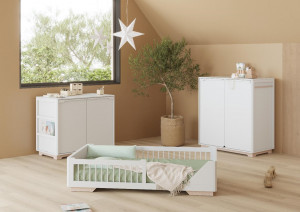
A Montessori children’s room is more than just a beautifully decorated space—it is an environment designed to support your child’s natural curiosity, independence, and creativity.
In this comprehensive guide, you’ll learn everything you need to know about creating a Montessori-style children’s room: from furniture, materials, and storage solutions to creative play and learning areas, as well as tips for fostering independence. With step-by-step instructions, practical examples, and numerous ideas, you can create a space that optimally supports your child’s development.
What Is a Montessori Children’s Room?
The Montessori philosophy, developed by Maria Montessori, focuses on a child-centered environment that fosters independent learning, confidence, and responsibility. Unlike traditional children’s rooms, which are often designed based on the parents’ preferences, a Montessori room is built around the needs of the child.
Core Principles of a Montessori Children’s Room
A Montessori children’s room is designed to support your child’s natural curiosity and initiative. Every element in the space has a purpose and encourages the child to act and explore independently.
Accessibility
Children can reach furniture, toys, books, and materials on their own. This strengthens decision-making skills and teaches them to take responsibility for their surroundings. Accessibility also means that everything is age-appropriate and safely placed so the child can navigate the room without constant help.
Order
Everything has a designated place, helping children naturally learn to organize their environment. A clear structure reduces stress and offers orientation, making it easier for the child to focus on play and learning. Order also provides security and a sense of control.
Independence
Children can dress themselves, play, learn, and perform daily tasks on their own. Montessori encourages small everyday successes, which boosts confidence and autonomy. Independence also means children make their own choices and find solutions on their own.
Sensory Stimulation
Materials stimulate the senses and promote cognitive and motor skills. Different textures, sounds, colors, and shapes support perception and creative thinking. Sensory experiences help children develop focus, curiosity, and fine motor abilities simultaneously.
Less Is More
The room is kept simple and calm to avoid overstimulation. A minimalist approach helps direct attention to meaningful learning and play opportunities. Fewer toys and clear structures support focus and encourage imagination.
Furniture for a Montessori Children’s Room
Furniture plays a central role in fostering independence and simplifying daily routines. It should be child-sized so the child can reach everything independently.
Sturdy materials and rounded edges ensure safety, while open shelves and drawers invite the child to retrieve and put away items independently. Thoughtful furniture design encourages responsibility and autonomy.
Floor Bed
The floor bed is one of the most iconic Montessori elements. It allows the child to decide when to sleep or get up—without needing the parents’ assistance.
Design
A thin, firm mattress on the floor or on a low wooden frame gives the child freedom of movement. They can get in and out of bed independently, fostering body awareness and exploration.
Safety
Soft rugs or mats around the bed cushion small falls and slips. Non-slip materials and edge protectors further prevent injuries.
Cozy Atmosphere
A canopy, string lights, or a favorite stuffed animal can help create a calming and cozy atmosphere. Small pillows and blankets make the sleeping area more inviting.
Benefits
Children learn to recognize and regulate their own rhythms. A floor bed supports independence and emotional development, strengthening self-trust.
Open Shelves
Open shelves on child height let children access toys, books, and craft materials independently.
Material
Wood is ideal—durable, stable, and natural. It provides a pleasant tactile experience and supports sensory development.
Order
Materials should be sorted by category, such as vehicles, figures, or building blocks. Clear organization helps children find items and put them away effortlessly.
Rotation
Switching out materials regularly keeps curiosity alive and prevents boredom.
Benefits
Children learn to take responsibility for their materials and maintain order. They develop decision-making skills and independence.
Child-Sized Table and Chair
A personal table on child height provides a space for drawing, crafting, writing, or puzzles.
Size
Furniture should match the child’s body height to support good posture.
Materials
Wood, metal, or toxin-free materials are suitable.
Supplies
Paper, crayons, scissors, and glue should be stored in small boxes and easily accessible.
Benefits
Children learn to plan and complete their own projects. This boosts independence, concentration, and confidence.
Clothes Storage and Wardrobe
A low wardrobe or clothing area allows the child to choose outfits and dress independently.
Low Hooks
Place hooks at the child’s height for jackets or backpacks.
Drawers and Boxes
Perfect for shoes, hats, gloves, and accessories.
Low Mirror
A mirror at eye level fosters self-awareness and helps with dressing independently.
Benefits
Children learn responsibility for their belongings and build routine-based self-confidence.
Creative Craft Stations
A craft station fosters creativity, concentration, and organizational skills.
Organized Materials
Use clear boxes or small drawers for crayons, scissors, paper, clay, etc.
Sections
Separate areas for painting, cutting, and gluing.
Rotation
Regularly introduce new materials and remove others.
Child Height
Everything should be within easy reach.
Benefits
Children learn to work independently, manage materials, and express creativity.
Promoting Sensory Experiences
Sensory experiences are a core principle of Montessori education. They support cognitive, motor, and emotional development.
Variety of Materials
A wide range of materials invites children to explore the world with all their senses and promotes holistic development.
Touch-and-Feel Books
Different textures such as fabric, felt, or velvet stimulate tactile perception and help children recognize subtle differences in materials and surfaces. Through repeated touching and exploring, children learn to use their senses intentionally and to focus their attention.
Sound Games
Small drums, rattles, or chime bars support hearing, a sense of rhythm, and auditory differentiation. Children explore different sounds and volumes in a playful way, which not only enhances musical development but also strengthens concentration and memory.
Natural Materials
Stones, pinecones, shells, or pieces of wood allow children to grasp nature in a literal sense. They learn to perceive differences in shape, weight, texture, and temperature. These materials stimulate the senses while encouraging curiosity and careful observation of the environment.
Creative Applications
Creative activities such as painting, crafting, or molding allow children to express their imagination and bring their own ideas to life.
Finger Paints and Modeling Clay
Children experiment with colors, shapes, and textures. This strengthens fine motor skills, expands the understanding of cause and effect, and stimulates creativity. Creating independently also provides emotional outlets that strengthen self-confidence.
Music and Movement
Small dance or movement activities support motor skills and body awareness. Rhythmic play promotes balance, coordination, and the connection between body and mind. By incorporating music and movement, children learn to perceive their bodies intentionally and develop joy in being active.
Quiet Zones
A small retreat area with pillows, blankets, or cuddly toys gives children space to process impressions. Here they can rest, process sensory input, and find inner calm. Such spaces support emotional balance, foster self-regulation, and give the child a sense of safety and security.

Benefits
Sensory experiences support cognitive, motor, and emotional development. Children learn to use their senses intentionally, develop creativity and independence, and build a stronger awareness of their bodies and surroundings. A Montessori children’s room that intentionally includes sensory materials provides countless learning opportunities and playfully stimulates curiosity and the desire to explore.
Movement in the Children’s Room
Movement is an important part of the Montessori approach. Children learn balance, coordination, and body awareness through physical activity.
Climbing and Play Areas
Climbing and play zones allow children to test their motor skills in a playful way while having fun moving their bodies.
Climbing Triangle or Balance Board
Climbing triangles or balance boards promote coordination and balance and encourage children to try new movement patterns.
Soft Flooring
Rugs or mats protect children from falls and create a safe environment where they can move independently.
Free Space for Dance or Movement
An open area enables children to move freely, dance, and explore their body awareness and creativity through playful motion.
Benefits
These activities strengthen muscles and support motor skills. At the same time, they help build confidence, as small successes in climbing or balancing give children a sense of independence. In this way, children develop joy in movement and learn to consciously use and understand their bodies.
Mini Garden and Plant Care
Integrating nature into the children’s room promotes responsibility and mindfulness.
Plant Selection
Plants placed at a child-friendly height—such as succulents, cress, or small flowers—are robust and easy to care for, allowing children to look after them independently.
Child-Friendly Care
With a small watering can and a cloth for spills, children learn how to care for plants. Observing and documenting plant growth—for example through drawings—helps deepen their understanding of natural processes.
Benefits
By integrating plants and nature into the room, children develop responsibility for living things, their understanding of nature grows stronger, and the space becomes both vibrant and calming.
Organization Systems and Structure
Order is central to the Montessori philosophy because structure provides security and fosters independence.
Baskets, Boxes, and Trays
Baskets and boxes help keep toys and materials organized and accessible. Children learn to return items to their place and develop a natural sense of order. Baskets and boxes can be sorted by theme or activity, further supporting independence in choosing and tidying.
Categories
Toys can be sorted by themes such as blocks, cars, or dolls, allowing children to choose what they want to play with more intentionally. This improves room organization and helps children plan their activities independently. At the same time, they learn to recognize connections between materials and play activities.
Transparent Boxes
Transparent boxes allow children to see what’s inside without having to search. This makes materials easier to use independently and saves time. It also fosters a sense of responsibility, as maintaining order becomes simpler.
Activity Trays
Activity trays bundle individual tasks or projects on a single tray, helping children focus on one activity at a time. This supports concentration and makes transitions between activities easier. Children learn to structure their work and maintain order.
Benefits
Using baskets, boxes, and activity trays helps children select materials intentionally and use them appropriately. Tidying becomes a natural part of daily routine. Clear structure and organized layout reduce overwhelm, allowing children to learn and play calmly and independently.
Reading and Cozy Corner
A quiet corner invites children to relax, read, and dream.
Setup
Rug, Pillows, and Blankets
A soft rug and cozy pillows create a comfortable space for sitting, lying down, or playing. Blankets add warmth and coziness, making the area a safe retreat where children can rest and unwind.
Book Basket
A well-organized book basket keeps the child’s favorite books accessible. Easy access encourages independent reading and browsing. Regularly rotating the books keeps things fresh and nurtures a love for reading.
Canopy or Tent
A canopy or small tent makes the reading and cozy corner feel safe and intimate. It supports relaxation and sparks imagination, turning the area into a small adventure space.
Benefits
The reading and cozy corner promotes concentration and supports language development. Children learn to withdraw independently when they need quiet time, strengthening emotional regulation.
Creative Display of Children’s Artwork
Children love showing their creations. Displaying their work boosts self-esteem and self-expression.
Clip rails or magnetic boards allow children to hang and showcase their drawings and crafts independently. Frames can highlight special pieces and give them a place of honor.
Regularly rotating displayed artwork keeps the room visually refreshed and gives the child new inspiration. This teaches children that their efforts are valued, boosting motivation and pride. Displaying art also contributes to a warm and aesthetically pleasing room.
Montessori Learning Materials
Learning materials playfully support cognitive development, language, number sense, and fine motor skills.
Wooden Letters and Numbers
Wooden letters and numbers allow children to experience language and mathematics not only visually but also through touch. They can feel the shapes and trace them, building a deep understanding of abstract concepts.
Puzzle Elements
Puzzle components help children recognize shapes and colors while strengthening fine motor skills.
Theme Shelves
Theme shelves that combine books, figures, and craft ideas around topics like seasons, animals, or colors provide varied learning stimuli. Children explore new subjects playfully and learn to identify connections.
By working with hands-on materials, learning becomes concrete rather than abstract. This fosters lasting cognitive development and supports independent, focused work. The playful discovery process keeps learning exciting and motivating.
Additional Ways to Create a Montessori Children’s Room
Beyond the ideas listed so far, there are many more ways to design a Montessori-inspired space.
DIY Workbench for Children
A child-sized workbench enables practical learning, supports craftsmanship, and teaches patience. It should be made of sturdy wood and equipped with child-friendly tools like a small hammer, screws, or sandpaper. Materials such as scrap wood, fabric pieces, or cork offer countless creative possibilities.
Working at the bench promotes technical understanding, dexterity, endurance, problem-solving skills, and creativity. It also gives children the feeling of being taken seriously and able to create independently.
Quiet and Sound Zones
Music and audio stories promote relaxation, mindfulness, and creativity. A Toniebox or CD player should be accessible so your child can choose what to listen to.
Pillows or a bean bag offer comfortable seating and invite children to stay awhile. Keep the selection of music or stories intentionally small to avoid overstimulation.
These zones teach children to take deliberate breaks and to consciously unwind. At the same time, they develop musical sensitivity, hearing, and a sense of rhythm.
Wall Design and Decorations
The principle “less is more” ensures that the children’s room remains harmonious and clearly structured. Simple shapes, calm colors, and natural materials such as wood, jute, or cotton create a pleasant atmosphere.
Interactive elements like chalkboards or magnetic surfaces can be added in a playful way without overwhelming the room. Minimalist decoration prevents overstimulation and supports concentration. The space stays calm and inspiring, allowing children to focus while still encouraging creativity.
Personal Elements
Personal items give the room an individual touch and support the child’s sense of identity. A name sign on the door shows the child that their room is valued and creates a sense of belonging.
Favorite items such as stuffed animals or special toys can be placed visibly to provide joy and emotional security. Textiles made of natural materials like linen, muslin, or wool add coziness and pleasant textures.
These personal details help children feel proud of their space and strengthen emotional connection to the room.
Additional Tips for Creative Design
When designing a Montessori room, observe your child regularly and adjust furniture and materials to their growing abilities.
A variety of materials—wood, fabric, and natural elements—provides sensory experiences and stimulates imagination. Interactive items such as magnetic boards, trays, or theme shelves support independent learning and discovery.
Regular rotation of toys keeps the child’s curiosity alive.
Tidying up together teaches responsibility, strengthens cooperation, and makes order a natural part of daily life.
This creates a room that is both creative and structured, supporting holistic development.
Conclusion
A Montessori children’s room is more than a beautifully arranged space — it is a room that promotes independence, curiosity, and creativity. A room that combines freedom, structure, and security.
With thoughtful furniture, meaningful materials, clear organization, and lovingly designed areas, your child can shape their daily life, discover, learn, and grow.
Even small changes like a floor bed, open shelves, or a cozy corner can have a big impact. Implementation should be gradual; observation and adjustment are essential.
Montessori principles are flexible and can be applied in any home. Design your child’s room to encourage growth, joy, and independence.
Your child will thank you — day after day, with shining eyes.
With this guide, you can create a room that not only looks beautiful but truly supports development — for a confident, curious, and happy child.
From what age is a Montessori room suitable?
A Montessori room can begin in infancy. Elements such as a floor bed, a low mirror, or open shelves can be introduced early and grow with the child.
Do I have to buy everything new to implement Montessori?
No. Many principles can be implemented using existing furniture, DIY solutions, or second-hand items. The important thing is that everything is accessible and arranged at the child’s level.
How much toy material is “Montessori-friendly”?
Less is more. A small selection of meaningful materials is enough and should be rotated regularly to provide variety without overwhelming the child.
How do I make the room safe for small children?
Ensure stable furniture, rounded edges, non-slip rugs, and non-toxic materials. Small plants should be child-safe and easy for the child to access for watering.