Naolima® Journal Why High-Quality Children’s Furniture Matters
27. October 2025
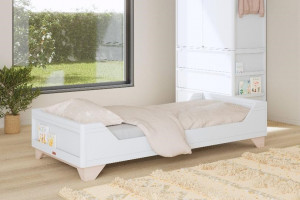
High-quality children’s furniture is far more than just attractive décor – it forms the foundation for a safe, healthy, and inspiring environment in which children can play, learn, and grow.
At some point, many parents face the question of which furniture truly makes sense, what to look for in terms of quality, and how to create a child-friendly setup that lasts long term.
This article provides a comprehensive overview of high-quality children’s furniture, its benefits, the most important quality features, and practical tips for what parents should consider when buying.
Why High-Quality Children’s Furniture Is Important
Children spend a lot of time in their room – whether playing, reading, sleeping, or relaxing. Furniture designed specifically for their needs has a direct influence on their well-being. High-quality children’s furniture supports healthy development, promotes independence, and ensures everyday safety. Sturdy furniture withstands wild movements, is made from non-toxic materials, and stays intact even with intensive use.
Another important factor is ergonomics. Children grow quickly, and furniture that is adjustable or suitable for several developmental phases can help prevent poor posture. At the same time, clear, lovingly designed furniture creates a soothing atmosphere in which children feel secure. High-quality children’s furniture contributes not only to functionality but also to emotional development.
Materials: What Makes Children’s Furniture High Quality
One of the most important aspects when buying high-quality children’s furniture is the materials. Natural resources such as solid wood are considered especially strong and durable. They are also free from harmful plasticizers and often treated with ecological varnishes or oils. MDF can also be a good choice, provided it is produced without harmful substances.
Parents should ensure that all surfaces are saliva-resistant, robust, and easy to clean. Certifications such as the GS mark provide additional assurance that no harmful substances were used. Sustainable materials are not only better for children’s health but are often more durable – an advantage for both the environment and your wallet.
Safety as the Highest Priority
When it comes to children’s furniture, safety should never be compromised. Rounded edges, stable screws, and tip-resistant designs are essential. Drawers should have an easy-closing mechanism so small fingers don’t get pinched. Non-slip surfaces and solid stability are equally important.
Beds and loft beds in particular must meet strict safety standards. Parents should look for sufficiently high fall protection and ensure the ladder is stable and easily accessible. The same principle applies here: less is often more. Overfilled rooms increase the risk of accidents.
Functionality and Long-Term Usability
High-quality children’s furniture is characterized by thoughtful functionality. Many pieces grow with the child – such as height-adjustable desks, baby beds that can later be converted into junior beds, or modular shelving systems that can be expanded as needed. This long-term usability not only saves money but also reduces resource consumption.
Another benefit of functional furniture is its adaptability to changing needs. While young children need plenty of space to play, the learning area becomes more important later. Furniture that can be easily rearranged supports these changes with minimal effort.
Design That Inspires Children and Parents
Appealing design plays an important role in children’s furniture. Colors, shapes, and materials influence the room’s atmosphere. Timeless, natural designs have a calming effect and are easy to combine. At the same time, small accents – such as colorful handles or lovingly designed motifs – can stimulate imagination.
Many manufacturers today rely on minimalist Scandinavian design, which is both child-friendly and modern. Such furniture adapts to different interior styles and remains visually attractive for many years.
Practical Tips for Buying High-Quality Children’s Furniture
Before buying, parents should consider which functions are truly necessary. A well-planned concept saves space and ensures that the children’s room doesn’t feel cluttered.
Here are some tips to help with your decision:
- Choose flexible furniture that accompanies multiple stages of development.
- Use space-saving solutions such as multifunctional furniture.
- Plan generous storage so toys and clothing can be quickly put away.
- Choose furniture in neutral colors to keep it looking modern for a long time.
- Measure carefully beforehand and ensure there is enough freedom of movement.
Talking with other parents or reading reviews can also be helpful for getting a sense of quality and everyday practicality.
Sustainability: An Increasingly Important Factor
Sustainability plays a central role in high-quality children’s furniture. Products made from eco-friendly materials and manufactured in environmentally conscious ways are not only healthier but also climate- and resource-friendly. Many manufacturers focus on short supply chains, local production, and recycled materials.
A durable piece of furniture is automatically more sustainable than one that needs to be replaced quickly. Conscious purchasing saves money long term and reduces environmental impact. The ability to pass furniture on – to friends or family – is another advantage of stable, timelessly designed pieces.
How High-Quality Children’s Furniture Makes Everyday Life Easier
In addition to safety and longevity, high-quality children’s furniture offers practical everyday benefits. Robust surfaces are easier to clean, modular systems provide order, and ergonomic furniture promotes healthy posture. Thoughtful design often motivates children to act more independently – whether dressing, tidying up, or learning.
A well-furnished children’s room provides structure while offering space for creativity. Parents benefit from less chaos and from furniture that doesn’t constantly need repair or replacement.
How Do I Find High-Quality Children’s Furniture?
Finding high-quality children’s furniture can be a real challenge. It should be safe, durable, and functional – and at the same time appealing to the child.
With a few targeted considerations, it becomes easier to discover furniture that is both practical and lovingly designed.
How to Find the Perfect Children’s Furniture: Tips for Your Selection
Children spend a large part of their day in their room. Unlike adults, who separate their living and sleeping areas, a children’s room is a real “all-in-one living space.” This makes the setup particularly important – and the requirements for children’s furniture far more diverse.
Before deciding on specific furniture, a few basic considerations are helpful:
What Requirements Should the Children’s Furniture Meet?
First and foremost, your child should feel completely comfortable in their room. They should have space to express their joy of life and desire to play – while staying safe and protected from accidents. Your child’s play behavior plays a major role: little adventurers enjoy swings, climbing elements, or slides, while calmer children appreciate a cozy desk or reading nook.
In addition to beds, children’s furniture is a central element of the room. Pay attention to high quality so you can enjoy it for a long time. Furniture should be sturdy enough to withstand rough play, and additional features such as height adjustability make it especially flexible.
Our furniture from Naolima combines all these features: it is extremely durable, stable, and grows with your child. High-quality materials ensure that the furniture is not only safe and stable but also environmentally friendly.
How Much Space Do You Have Available?
Many children's rooms are rather small – often no larger than 10 m². Therefore, it is worth choosing clever, space-saving furniture. Slim shelves, multifunctional cabinets, or beds with integrated storage help make optimal use of the available space. This leaves enough room for playing, romping, and feeling comfortable without making the room look overloaded.
With What Perspective Do You Want to Buy the Furniture?
Consider whether you want to replace the furniture frequently as your child’s needs change, or whether you prefer furniture that grows with your child.
Grow-with-me furniture is often the smarter choice: the baby room becomes a children’s room and later a teenager’s room. Our MoveMi® floor bed, for example, can easily be converted into a floor-level bed.
How Important Are Ecological Aspects to You?
The era of “throwaway culture” is over. Especially for children’s furniture, it is worthwhile to choose durable products made from natural, renewable materials such as solid wood. At the end of their life cycle, these items can ideally be recycled in an environmentally friendly way.
By choosing sustainable furniture, you also teach your children awareness of the environment and responsibility – not just theoretically but practically in everyday life.
Tips for Proper Care of Children’s Furniture
To ensure high-quality children’s furniture remains beautiful in the long term, proper care is essential. Solid wood furniture should be wiped regularly with a damp cloth and occasionally re-oiled to protect its natural surface.
Painted furniture can be cleaned gently with mild cleaning agents and a soft cloth. It is important to avoid aggressive chemicals, as they can damage the surfaces.
Fabric elements such as seat cushions or upholstery should be vacuumed regularly and, depending on the material, occasionally washed gently or aired out to keep them hygienic and fresh.
How to Plan the Ideal Children’s Room

A high-quality piece of furniture only unfolds its full benefit when it is integrated into a well-thought-out room concept. When planning a children’s room, parents should ensure a clear layout. A play area, a quiet place for reading, and an ergonomically designed workspace promote structure and orientation. Light colors make the room appear larger and create a friendly atmosphere. It is important that furniture is easily accessible so children can act independently, use their environment, and carry out daily tasks such as tidying up or getting dressed on their own.
The Importance of Involving Children in Decisions
Children should be included in the selection process – at least to a reasonable extent. This strengthens their self-esteem and increases the likelihood that they will enjoy using their room. Parents can choose colors together with their children or let them help decide which bed model they like.
A children’s room that reflects the child’s personality will be used far more intensely. However, involvement does not mean that functionality and safety should be neglected – parents should always make the final decisions to ensure the room remains both child-friendly and safe.
High-Quality Furniture as a Long-Term Investment
While inexpensive furniture may seem attractive at first glance, weaknesses often appear with frequent use: wobbly joints, delicate surfaces, or quickly worn-out components.
High-quality furniture, on the other hand, lasts for years and can often be passed down to siblings. Thus, the price pays off over the lifespan.
Those who invest consciously avoid repeated purchases later. Especially for beds and desks, solid quality is worthwhile because these pieces are used heavily every day and must function reliably over many years.
How Children’s Furniture Supports Learning
As children grow older and become more independent, the learning area becomes increasingly important. A height-adjustable desk and an ergonomic chair ensure that children sit in a healthy posture. Good lighting, sufficient storage, and a quiet environment promote concentration and motivation.
Furniture that makes organization easier – such as shelves, sorting boxes, or drawer systems – helps children work independently and in a structured way. A well-designed workspace not only increases concentration but also supports motivation and efficiency.
Furniture That Encourages Creativity
An inspiring room is complemented by creative furniture: chalkboards, craft tables, or open shelves for materials encourage children to express their imagination. Small retreats such as wooden playhouses, reading corners, or cozy seating islands strengthen the feeling of security.
High-quality children’s furniture has the advantage of being stable, safe, and versatile. Children can experiment freely without parents constantly worrying.
Should You Buy High-Quality Children’s Furniture Online?
It is not always advisable to buy high-quality children’s furniture exclusively online. At Naolima.com you can see, touch, and try out our products on-site. Especially for children’s furniture, it makes sense to assess the materials, craftsmanship, and stability in person before making a decision, as this helps determine whether the furniture truly meets your own and your child’s needs.
However, it cannot be denied that buying high-quality children’s furniture online also offers many advantages. Still, it is worth taking a close look. Detailed product descriptions, transparent information about materials and certifications, and authentic customer reviews help with the selection.
Parents should ensure that reputable vendors provide clear information about warranties, returns, and delivery conditions.
Assembly also plays a role: many high-quality pieces are easy to assemble because they are well-made and come with clear, understandable instructions, allowing parents or even children to set them up without difficulty.
What Really Matters
High-quality children’s furniture combines stability, safety, sustainable materials, and clever functions. It integrates seamlessly into everyday life, simplifies organizational routines, and supports important developmental areas.
Parents should consider not only first impressions or price but the long-term perspective. A well-furnished children’s room is an investment in the future that enriches everyday life and meets the needs of children by providing safety, comfort, and space for creativity. It fosters trust and brings long-lasting joy.
Conclusion: High-Quality Children’s Furniture Is a Worthwhile Investment
High-quality children’s furniture offers countless benefits – from safety and health to durability, sustainability, and aesthetic design. It supports children in their development and makes everyday life easier for parents. Those who pay attention to high-quality materials, functional concepts, and certified safety create an environment that is both practical and lovingly designed.
A children’s room is a special place where memories are made and dreams grow. With high-quality furniture, parents lay the foundation for their children to flourish in a safe, inspiring, and nurturing environment.
What makes children’s furniture high quality?
High-quality children’s furniture is made from strong, durable materials such as solid wood or toxin-free MDF. It is safe, robust, and often equipped with additional features such as height adjustability or storage.
Why is it worthwhile to invest in high-quality children’s furniture?
High-quality furniture lasts for many years, withstands daily use, and often grows with the child. This saves money long term and reduces the need for frequent replacements.
What should I look for when buying?
Look for certified safety, sturdy craftsmanship, eco-friendly materials, and furniture that meets your child’s needs. Certifications such as the GS mark provide additional reassurance.
Can high-quality furniture be sustainable?
Yes, many high-quality children’s furniture products are made from renewable materials and are durable. At the end of their lifecycle, they can often be reused or recycled in an environmentally friendly way.
Where can I buy high-quality Naolima children’s furniture?
You can purchase our products from selected retailers in Germany, Austria, and the Netherlands – for example in Frankfurt, Düsseldorf, Munich, Berlin, Vienna, or Münster. Our local partners provide individual advice and help you find the perfect model.