Naolima® Journal Design Baby Crib – The Comprehensive Parent’s Guide to Stylish, Sustainable, and Safe Sleep
13. January 2026
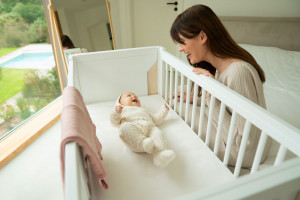
A design baby crib stands for high-quality materials, timeless aesthetics, and thoughtfully designed features that make everyday family life easier. Especially for design-conscious parents, it is important that the nursery does not feel isolated, but instead blends harmoniously into the overall home interior. An aesthetically designed baby crib can fulfill exactly this purpose.
Why a Design Baby Crib Is More Than Just a Piece of Furniture Today
A baby crib is one of the very first pieces of furniture parents choose for their child. It represents comfort, safety, and a place of peace and rest. At the same time, it is no longer simply a functional product. A design baby crib combines aesthetics, quality, and thoughtful functionality. Parents want furniture that not only provides their baby with a safe place to sleep but also visually complements their home and remains useful over the long term.
The baby crib is where a newborn spends much of the first months of life sleeping, dreaming, and relaxing. At the same time, it is a piece of furniture parents see, use, and integrate into their living space every single day. That is exactly why baby cribs have evolved significantly in recent years. Functionality alone is no longer enough. Parents are looking for safety, comfort, sustainability, and a design that matches their lifestyle.
Especially in modern homes, design plays an increasingly important role. The nursery is often part of an open living concept or at least intended to fit harmoniously with the rest of the interior style. A design baby crib fulfills exactly this requirement. It combines timeless design with high safety standards and practical features that make everyday life with a baby easier.
This article is a comprehensive guide for parents who want to explore the topic of design baby cribs in detail. It clearly explains what matters most, what differences exist, and how to find the right model for your child — from materials and safety to sizes, conversion options, sustainability, and practical buying tips.
What Is a Design Baby Crib?
The term “design baby crib” does not describe one specific product, but rather a philosophy. It refers to baby cribs distinguished by particularly high-quality design, where aesthetics, materials, functionality, and craftsmanship are intentionally combined. A design baby crib should not only look beautiful but also be safe, durable, and practical.
A design baby crib is usually characterized by the following features:
Clean Lines and Timeless Design
Clean lines and timeless design create a calm, harmonious, and premium appearance. Thanks to its minimalist form language, the crib fits effortlessly into different interior styles without appearing overwhelming. Timeless design also means that the crib will still look modern years later instead of following short-lived trends. For parents, this creates a long-lasting solution that remains visually appealing over time.
High-Quality Materials Such as Solid Wood
High-quality materials like solid wood represent stability, durability, and natural warmth. Solid wood feels pleasant to the touch, is extremely robust, and easily withstands the demands of everyday family life. At the same time, it contributes to a healthy indoor climate and creates a sense of comfort and security. For parents, this means choosing a safe and sustainable product that can be used for many years.
Careful Craftsmanship
Careful craftsmanship is a central quality feature of a design baby crib. Precisely crafted joints, smooth surfaces, and sturdy construction ensure both safety and longevity. High-quality workmanship is often visible in the small details that give the crib a refined appearance. For parents, this creates trust and confidence in choosing a reliable piece of furniture.
Minimalist and Calm Appearance
A minimalist and calm appearance creates a relaxing and balanced atmosphere in the nursery. A design baby crib without excessive decoration looks harmonious and supports a feeling of comfort and security. Unnecessary embellishments are often avoided to achieve a timeless look. The goal is furniture that still feels modern after many years and is not tied to short-lived trends. The clean design avoids visual clutter and allows the room to feel open and peaceful. For both parents and child, this creates an environment that promotes calmness and well-being.
Functional Features Such as Adjustable Mattress Heights

Functional features such as adjustable mattress heights make a design baby crib especially practical for everyday life. In the first months, a higher mattress position makes it easier on parents’ backs when placing or lifting the baby. Later, the mattress can be lowered for greater safety once the child becomes more active. For parents, this means greater comfort and a crib that adapts flexibly to the child’s development.
Unlike purely functional models, a design baby crib focuses on the balance between aesthetics and usability. It is intended to accompany families for many years and often remains useful even after the baby stage.
Why Parents Deliberately Choose a Design Baby Crib
Many parents wonder whether a design baby crib is truly necessary or whether a simple model would be enough. The answer depends on individual priorities. Parents who value quality, sustainability, and long-term usability often make an excellent choice with a design baby crib.
Aesthetics Meet Everyday Functionality
Parents spend a great deal of time in the nursery. Especially during the sensitive first months with a baby, a harmonious environment can help reduce stress. Many parents therefore feel more comfortable when the nursery is clearly structured and radiates a pleasant atmosphere.
A design baby crib creates a calm and pleasant environment that positively affects the well-being of both parents and child. Subtle colors, natural materials, and harmonious proportions create a sense of order and tranquility.
Durability and Quality
Many design baby crib models are created to be used over several years and accompany multiple stages of a child’s development. Thanks to conversion options, they can often be transformed from a baby crib into a junior bed or even a small sofa. This not only saves money but also conserves resources and helps justify the higher purchase price.
Long-Term Value
A high-quality design baby crib retains its value much better over time. It can later be sold, passed on to siblings, or shared within the family or circle of friends. Quality pays off in the long run.
Safety as the Highest Priority
No matter how beautiful a design baby crib may be, safety remains the most important criterion. Babies spend many hours sleeping in their crib during the first months of life, so the crib must meet the highest safety standards.
Stable Construction
A stable frame is essential. The crib must not wobble and should remain secure even when the baby becomes more active. Rounded edges and corners reduce the risk of injury. The spacing between the bars must also be designed so that neither the baby’s head nor limbs can become trapped.
Non-Toxic Materials
The materials used are equally important. Paints, lacquers, and oils should be free from harmful substances. Babies explore their surroundings with all their senses and frequently put objects in their mouths. A high-quality design baby crib takes this into account and uses certified safe materials.
Ventilated Sleeping Surface
The sleeping surface should be well ventilated, as proper airflow is essential for healthy baby sleep. Good ventilation prevents heat and moisture buildup and creates a pleasant sleeping climate in which the baby feels comfortable.
Standards and Certifications
A good design baby crib complies with all relevant safety standards. In Europe, strict regulations govern stability, dimensions, and material quality for baby cribs. Additional quality certifications can also indicate especially high standards and provide parents with extra reassurance.
Everyday Safety
Besides the crib’s construction, daily use also matters. The mattress should fit perfectly so that no gaps remain. Pillows, blankets, and stuffed animals should not be placed inside the crib, as they may increase safety risks.
Materials: Natural Quality at the Center

The choice of materials is crucial for the quality of a design baby crib.
Solid Wood as the Preferred Choice
Solid wood is especially popular because it is durable, stable, and naturally warm in appearance. It creates a natural atmosphere that positively influences the feeling of the room.
Beech, oak, and maple are among the most commonly used wood types. They are sturdy and resistant, allowing a solid wood design baby crib to remain stable and attractive for many years.
Sustainable Surface Treatments
A design baby crib should ideally be treated with natural oils or water-based lacquers. These protect the wood without releasing harmful fumes.
Metal and Modern Materials
Some modern design baby cribs combine wood with metal, creating a particularly minimalist and contemporary look. High-quality craftsmanship and non-toxic finishes are equally important here.
The Right Size for a Design Baby Crib
Choosing the right size is important for both comfort and safety.
Standard Sizes
The most common dimensions are 60 x 120 cm and 70 x 140 cm. Both sizes offer enough space for babies and toddlers while meeting standard safety requirements.
Which Size Is Right for Us?
Smaller cribs are ideal for the first years of life and for compact nurseries. Larger cribs can be used longer and offer more room for movement as the child grows.
Space in the Nursery
Parents should also consider the size of the nursery itself. The crib should fit harmoniously into the room without making the space feel overcrowded.
Convertible Design Baby Cribs: An Investment in the Future
Many parents deliberately choose a convertible design baby crib because it adapts to the child’s development over time.
Adjustable Mattress Height
During the first months, a higher mattress level is easier on parents’ backs. Once the child becomes more mobile, the mattress can be lowered for increased safety.
Conversion Into a Junior Bed
By removing certain side rails, many cribs can be converted into a junior bed. This allows the child to climb in and out independently while maintaining a familiar sleeping environment.
Additional Uses
Some models can later be transformed into benches or small sofas, extending their usefulness well beyond the baby years.
Design Styles: Which Design Baby Crib Fits Your Home?
Choosing the right designer baby bed depends heavily on your personal interior design style and preferences. Different design styles each create a unique atmosphere in the nursery. Whether modern, natural, or classic – the important thing is that the bed blends harmoniously into your home. This creates a cohesive look where both parents and child feel comfortable.
Below, we present some popular design styles that are particularly common in designer baby bed models.
Scandinavian Style
The Scandinavian style is particularly popular because it combines timeless elegance with functionality. Light woods, clean lines, and a calm color palette create a friendly and harmonious atmosphere in the children's room. This design feels light and open, making even smaller rooms appear larger. Parents also appreciate the simple aesthetic, which is easy to combine with other furniture and accessories.
Minimalist modern
Minimalist designs are characterized by clean lines, limited colors, and a simple aesthetic. They fit particularly well into modern living spaces and create a tidy, tranquil atmosphere. Their timeless style makes them elegant and allows them to blend seamlessly with other furnishings. For parents, this translates to a harmonious children's room that can grow with their child.
Natural and warm
A designer baby bed made of untreated or oiled wood exudes natural warmth and security. The visible wood grain lends the nursery an organic and harmonious atmosphere. This style is particularly suitable for parents who value sustainability and environmentally friendly materials. At the same time, it complements a natural, tranquil interior design and visually grows with the child.
Colors and their effect in the children's room
Colors have a significant impact on the mood and atmosphere of a child's room. A designer baby bed is therefore often in neutral tones that convey calm and balance. Such colors are easy to combine with other furniture, textiles, and decorations. They also offer the flexibility to personalize the room with colorful accents without the bed appearing out of place.
White appears light and timeless
White gives a child's room a bright, light, and airy feel. It appears timeless and elegant and can be easily combined with other colors and furnishings. A white designer crib creates a calm, friendly atmosphere that appeals to both child and parents. It also makes the room appear larger and more open.
Natural wood radiates warmth
Natural wood creates a feeling of warmth and security in a child's room. The natural grain gives the crib design character and an organic aesthetic. At the same time, it appears timeless and harmonious, allowing it to blend easily into various interior design styles. For parents, a natural wood crib creates a comfortable environment where the child can feel at ease.
Grey tones appear modern and calm
Shades of gray lend a modern yet calming atmosphere to a child's room. They appear understated and elegant without dominating the space. A designer crib in shades of gray can be easily combined with colorful or neutral accessories. This creates a stylish and harmonious overall look that can grow with the child.
Pastel colors create a friendly atmosphere

Pastel colors create a soft, friendly, and calming atmosphere in a child's room. They appear light and harmonious without being overpowering. A designer baby bed in pastel shades blends well with various interior design styles and can be easily combined with decorations and textiles. At the same time, pastel colors create a warm and inviting environment where the child can feel comfortable.
Neutral colors create a balanced atmosphere
Neutral colors create a calm and balanced atmosphere in a child's room. They can be easily combined with other furniture, textiles, and accessories, and suit a variety of interior design styles. A designer crib in neutral tones looks timeless and elegant, and its appearance grows with the child. For parents, this means flexible design options that will last for years to come.
The right mattress for the designer baby bed
The mattress plays a crucial role in a baby's healthy sleep. A high-quality, designer baby bed absolutely requires a suitable mattress to ensure optimal sleeping comfort and safety. It should be firm so the baby lies stably, yet breathable to create a healthy sleeping environment. Furthermore, the mattress must be precisely sized for the bed to prevent any gaps where the child could injure themselves. This ensures a safe, comfortable, and long-lasting sleeping environment.
What parents should pay attention to
Parents should pay attention to several important points when choosing a mattress for a designer baby bed.
Firmness
The mattress should be firm enough so that the baby doesn't sink in and a safe lying position is ensured. A firm surface supports the healthy development of the back and spine. At the same time, it ensures that the baby lies stably and reduces the risk of accidents or breathing problems. Thus, it offers both comfort and safety in a well-designed baby bed.
The mattress should be breathable
Furthermore, the mattress should be breathable to effectively wick away moisture and heat. Good air circulation prevents mold growth and ensures a comfortable sleeping environment. This keeps the sleeping surface dry and comfortable, which is especially important in the first few months of life. For parents, this means added security and well-being for their baby.
Point-elastic materials
The point-elastic materials in the mattress ensure that the baby's body is evenly supported. They adapt to pressure points while other areas remain stable, which is particularly important for healthy spinal development. At the same time, they provide comfort and prevent the baby from sinking into the mattress. For parents, this means a safe and ergonomic sleeping environment.
Removable and washable cover
A removable and washable cover makes cleaning the mattress much easier and ensures hygienic conditions in the baby's crib. Dirt can be quickly removed without damaging the mattress itself. This keeps the sleeping area clean and fresh, which is especially important in the first few months of life. For parents, this means less effort and greater peace of mind in their daily lives.
Materials tested for harmful substances
Furthermore, it is crucial that the mattress is tested for harmful substances to protect the baby's health. Materials free of harmful substances prevent harmful chemicals from entering the air or irritating the skin. A tested mattress thus ensures a safe and healthy sleeping environment. Parents can therefore rest easy knowing they are providing their child with a healthy place to sleep.
Care and cleaning
A designer baby cot is intended for everyday use, but should be regularly maintained to preserve its quality and safety. Wooden surfaces are best cleaned with a slightly damp cloth; harsh cleaning agents should be avoided. It is also advisable to check screws and joints periodically. With careful maintenance, the cot will remain stable, safe, and visually appealing for many years.
Sustainability and responsibility
More and more parents are placing value on sustainable products that are manufactured in an environmentally friendly way and have a long lifespan. A designer baby bed can make an important contribution to a conscious and responsible lifestyle. The use of natural materials and durable constructions conserves resources. At the same time, such a choice demonstrates that quality and sustainability play a central role in everyday family life.
Sustainable production
Look for manufacturers who use resources responsibly and prioritize short transport routes. Regional or European production can help reduce the ecological footprint. Furthermore, transparent production processes indicate high quality and fair working conditions. By purchasing a designer baby bed, you're not only supporting your child, but also the environment and society.
Durability instead of a throwaway mentality
A durable, well-designed baby bed doesn't need to be replaced after a short time and can accompany the family for many years. This reduces resource consumption and avoids unnecessary waste. At the same time, this longevity saves money in the long run, as there's no need for quick replacements. This benefits both the environment and your wallet.
Correctly assessing price and quality
A designer baby bed is usually more expensive than simpler models, but the price often reflects the high-quality workmanship, the materials used, and the long lifespan. Parents should consciously consider how long the bed will be used, which features are important in everyday life, and whether sustainable materials are a factor. If the bed is used for several years or even converted, the initial purchase price becomes much less significant. A higher price can therefore pay off in the long run, both in terms of quality and cost.
Tips for buying a designer baby bed
When buying a designer baby bed, it's a good idea to do your research early and compare different models. This makes it easier to assess differences in quality, features, and price. A particularly important point is the applicable safety standards, as the baby bed is used daily and must offer the highest level of safety. Parents should ensure that the bed is sturdily constructed and made from non-toxic materials.
Room size also plays a crucial role, as the bed should fit well in the nursery and not overwhelm the space. At the same time, there should be enough room for movement and other furniture. Those who are thinking long-term should consider the bed's lifespan from the start. Convertible models can accompany the child for several years and are therefore especially practical.
It's equally important to pay attention to functional details such as height-adjustable mattresses or conversion options. These make everyday life easier and increase comfort for both parents and child. In addition to all the objective criteria, your own intuition should also be taken into account. A designer baby bed should feel right, inspire confidence, and give you a good feeling. Only then will it become a place where the baby feels safe and secure.
Conclusion: The perfect designer baby bed for your family
A designer crib is much more than just a place to sleep. It's a haven of security, a design element in the home, and a long-term investment. Combining safety, functionality, and timeless design, it often accompanies families for many years.
Parents who value quality, sustainability, and aesthetics make a conscious and meaningful choice with a designer crib. It's important that the crib suits their individual needs, living space, and lifestyle. This creates a harmonious environment where babies sleep peacefully and parents feel secure.
What distinguishes a designer baby bed from a conventional baby bed?
A designer baby bed impresses not only with its functionality, but also with high-quality materials, unique shapes, and appealing aesthetics. It is often more durable and blends harmoniously into modern interior design concepts.
Are designer baby beds just as safe as classic models?
Yes, provided they meet applicable safety standards. It's important to pay attention to tested quality, robust construction, and non-toxic materials.
Is the higher price of a designer baby bed worth it?
In many cases, yes. The higher price often reflects better workmanship, higher material quality, and a longer lifespan, which can pay off in the long run.
How long can a designer baby bed be used?
Many models are adjustable and can be converted from a baby bed to a toddler bed. This allows them to be used for several years.
Which materials are particularly recommended for designer baby beds?
Sustainable materials such as solid wood, certified lacquers, and pollutant-free textiles are highly recommended. They are durable, environmentally friendly, and safe for the child.
What should parents pay particular attention to when buying a baby?
Besides design and price, safety, functionality, room size, and personal preference should be the main considerations. A good baby bed fosters trust and provides a sense of security.
Where can I buy a designer baby bed from Naolima?
You can purchase our products from select retailers in Germany, Austria, or the Netherlands – for example, in Frankfurt, Düsseldorf, Munich, Berlin, Vienna, or Münster. Our local partners will provide you with personalized advice and help you find the perfect model.